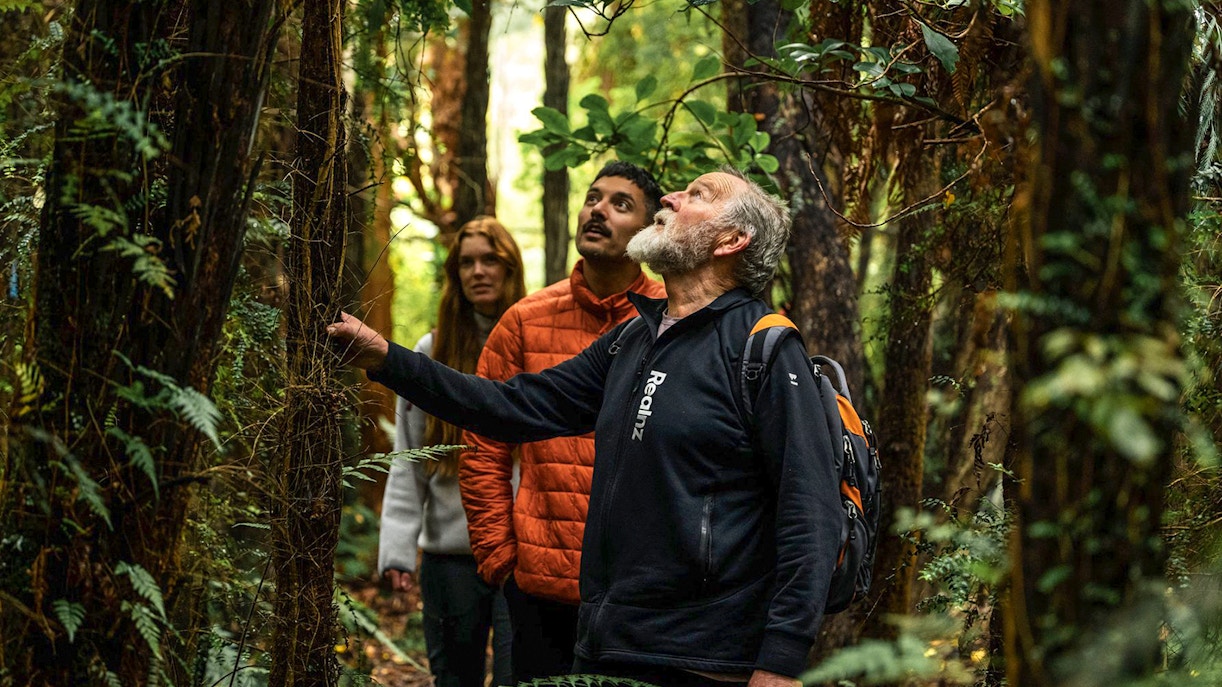
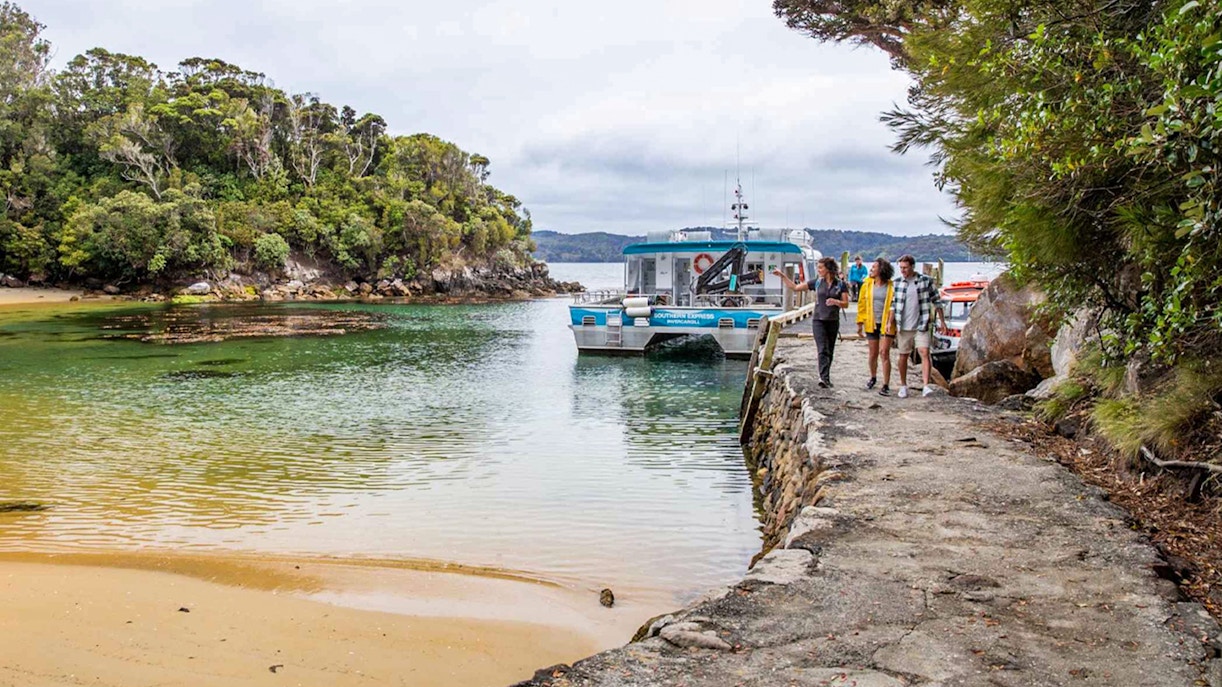
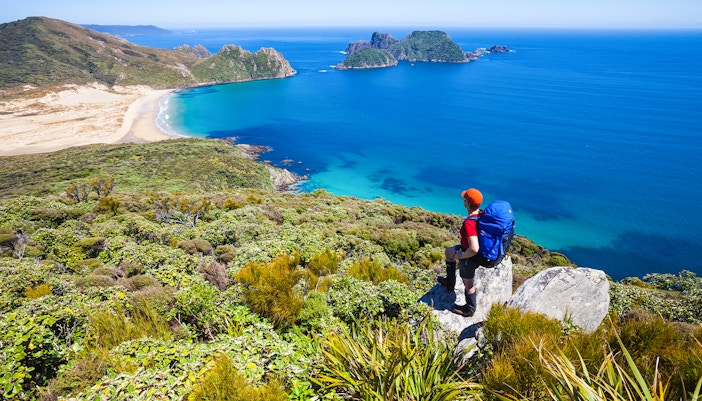
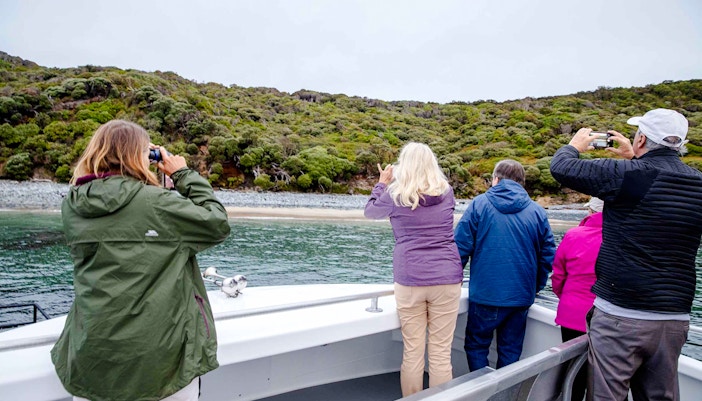
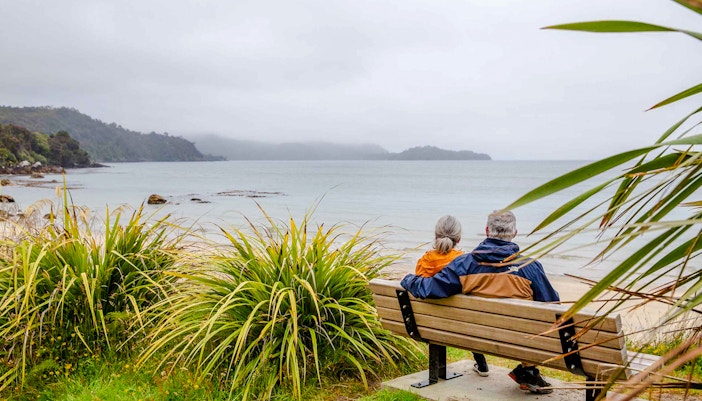
Spring (Sep-Nov): Increasing daylight, active wildlife, expanding tour schedules.
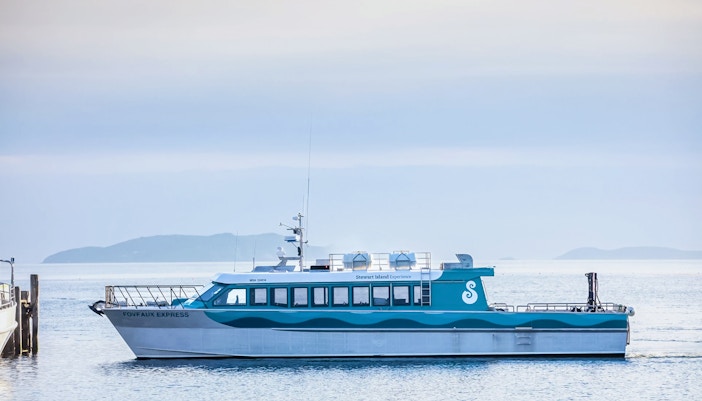
Morning: Best for ferry crossings and Ulva Island walks. Calmer seas.
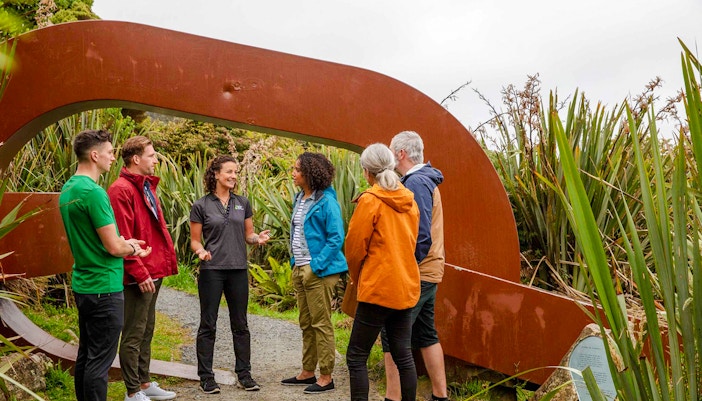
Afternoon: Ideal for village tours and scenic cruising.
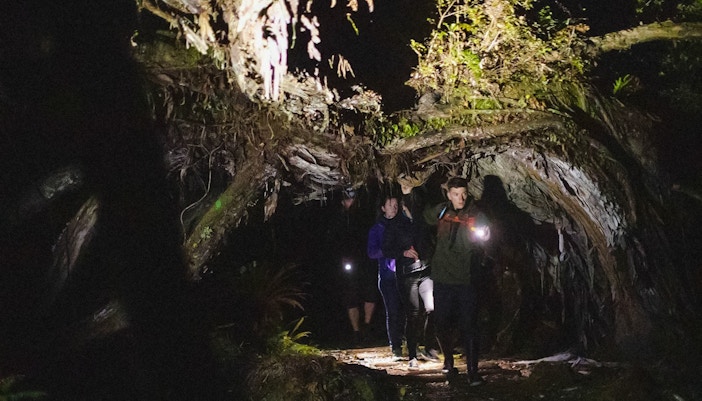
Evening: Prime time for kiwi spotting and wildlife encounters.
Weather at Stewart Island
December-February (Summer)
Avg temp: 15-20 °C
Crowd levels: High
Notes: Mild but changeable weather with long daylight hours. Best for walking tracks, cruises, and wildlife tours. Book transport and accommodation early.
March-May (Autumn)
Avg temp: 10-16 °C
Crowd levels: Moderate
Notes: Cooler days, rich forest colours, and fewer visitors. Good conditions for hiking and birdlife, though rain becomes more frequent.
June-August (Winter)
Avg temp: 10-16 °C
Crowd levels: Moderate
Notes: Cooler days, rich forest colours, and fewer visitors. Good conditions for hiking and birdlife, though rain becomes more frequent.
September-November (Spring)
Avg temp: 10-15 °C
Crowd levels: Moderate
Notes: Fresh greenery and active wildlife. The weather remains unpredictable, so waterproof layers are essential for boat trips and walks.
How long to spend on Stewart Island
Half-day
Best if you’re short on time. Includes the ferry or flight crossing and a guided village and bays tour around Oban and Halfmoon Bay. A good introduction to island life, scenery, and viewpoints without committing to longer walks.
Full-day
Ideal for most visitors. Combine your arrival with a guided Ulva Island wildlife walk or a Paterson Inlet coastal cruise. You’ll experience native birdlife, sheltered waters, and quiet trails, all paced around transport schedules.
2 days
Allows time to slow down. Add an evening or night kiwi spotting tour plus multiple guided walks or cruises. This option suits wildlife enthusiasts who want better sighting chances and time to explore beyond the main settlement.
Frequently asked questions about Stewart Island timings
Yes. Stewart Island is accessible year-round by ferry or flight. However, services may run on reduced schedules in winter, and travel is always subject to weather and sea conditions.
The final ferry usually departs Stewart Island in the late afternoon. Exact departure times vary by season, so it’s best to check the current timetable before planning same-day returns.
Not always. Wildlife and kiwi spotting tours depend on demand, weather, and daylight hours. They operate more frequently during peak seasons, with limited availability in winter.
Yes. Strong winds and rough seas across the Foveaux Strait can lead to delays or cancellations. Operators prioritise safety and will update schedules if conditions change.
The winter months from June to August are the quietest. Expect fewer visitors and a more peaceful experience, but also shorter days and limited transport and tour options.
The ferry from Bluff to Stewart Island takes around one hour, depending on sea conditions. Crossings can feel longer in rough weather, so allow buffer time when planning same-day connections.
Day tours typically start mid-morning to align with ferry and flight arrivals. Wildlife and kiwi tours usually run in the evening or after dark, depending on the season.
An overnight stay is recommended if you plan to join evening wildlife tours or want flexibility in case of weather disruptions. Same-day visits work best for village tours or Ulva Island walks.
Yes. Tour start times may shift seasonally to match daylight, tides, and wildlife activity, especially for cruises and evening tours.
Arrive at least 30-45 minutes before ferry departure and 10-15 minutes before tours to allow for check-in and safety briefings.
Yes. On cruise days, certain tours and transport services may fill faster. Booking in advance is advised if visiting during peak cruise season.