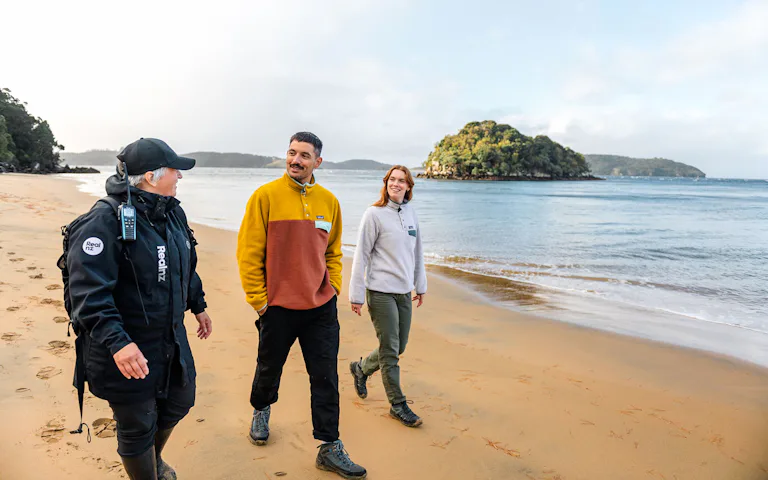
Predator-free sanctuary with rare birds and guided walks, one of New Zealand’s best wildlife experiences.
Overview of your Stewart Island tour
Stewart Island (Rakiura Island) is New Zealand’s southernmost destination, known for wild coastlines, native forests, and exceptional wildlife encounters. It’s less about ticking off landmarks and more about slowing down—spotting birds, exploring quiet bays, and enjoying nature with minimal crowds. With limited transport and services, planning is key, especially if you’re visiting as a day trip from the South Island.
Travel logistics
Most visitors reach Stewart Island via ferry from Bluff after travelling to Invercargill by flight, bus, or car. The island has no road access from the mainland and no internal public transport network. Once there, exploration is done on foot, by boat, or through guided tours. Weather and sea conditions can affect ferry schedules, particularly in winter. If visiting for the day, tours help maximise time by coordinating ferry crossings with island activities. For independent travellers, staying overnight allows for a more relaxed pace and evening wildlife experiences.
Plan your day
- Quick visit (2–3 hrs): Oban village walk, coastal viewpoints near the wharf, and a short forest trail close to town.
- Half day (4–5 hrs): Guided Ulva Island forest walk, free time in Oban for lunch, and a scenic cruise through sheltered bays.
- Full day (6+ hrs): Ferry transfer plus Ulva Island experience, village and bays tour, and an evening Wild Kiwi encounter. If staying overnight, add a short section of the Rakiura Track.
Handy tips
- Tickets: Ferry seats and wildlife tours book out quickly in summer; secure them early.
- Best times: Morning ferries are usually calmer; evenings offer the best chances for kiwi sightings.
- Accommodation: Stays are limited and cluster around Oban. Book well ahead, especially if you plan an evening kiwi tour or early ferry departure.
- Rules: Stay on marked trails and follow biosecurity checks;Ulva Island is predator-free.
- Pro tip: Combine ferry travel with guided tours to avoid long gaps between sailings.
- Respect: Wildlife is sensitive; keep noise low and avoid flash photography.
Must-see places on Stewart Island
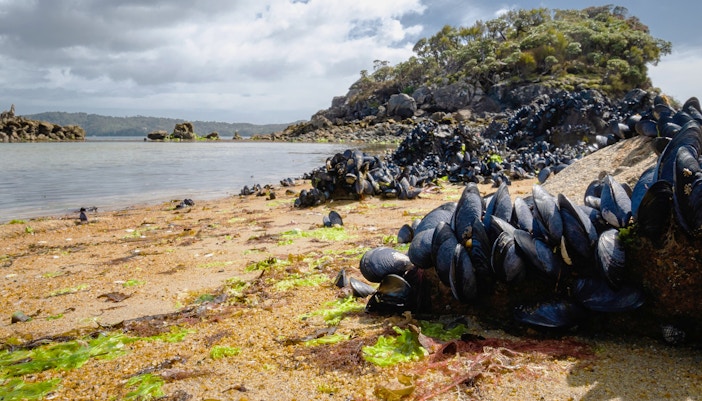
Ulva Island
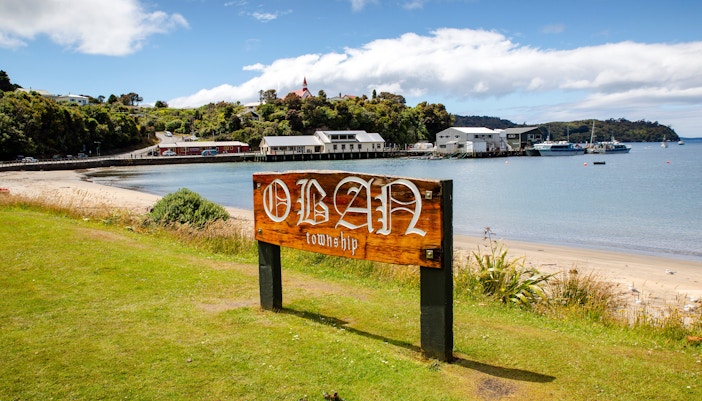
Oban Village
The island’s main settlement, offering coastal views, short walks, cafés, and ferry access.
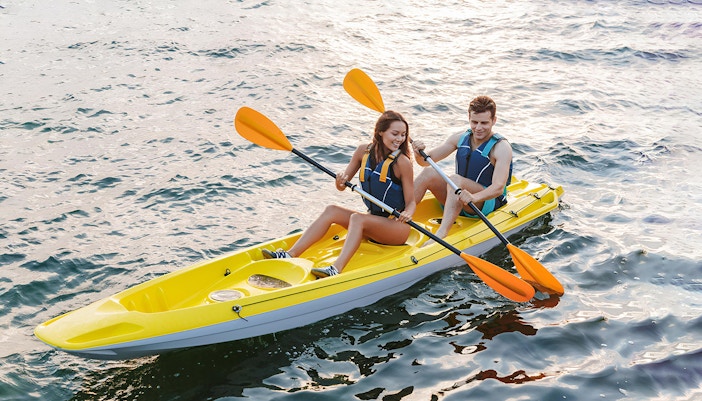
Paterson Inlet
Sheltered waterways ideal for cruises, kayaking, and birdwatching in calm conditions.
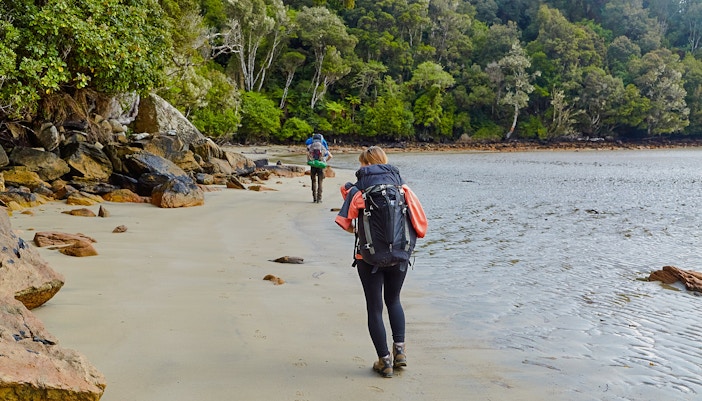
Rakiura Track
A Great Walk showcasing forests, beaches, and remote bays for multi-day hikers.
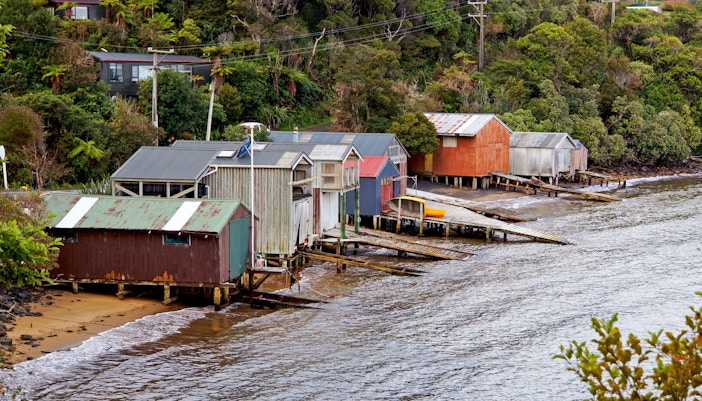
Golden Bay
Quiet beach area near Oban, perfect for short walks and sunset views.
Ackers Point Lighthouse
Short coastal walk from Oban with wide views over Foveaux Strait and frequent seabird sightings.
Getting to Stewart Island

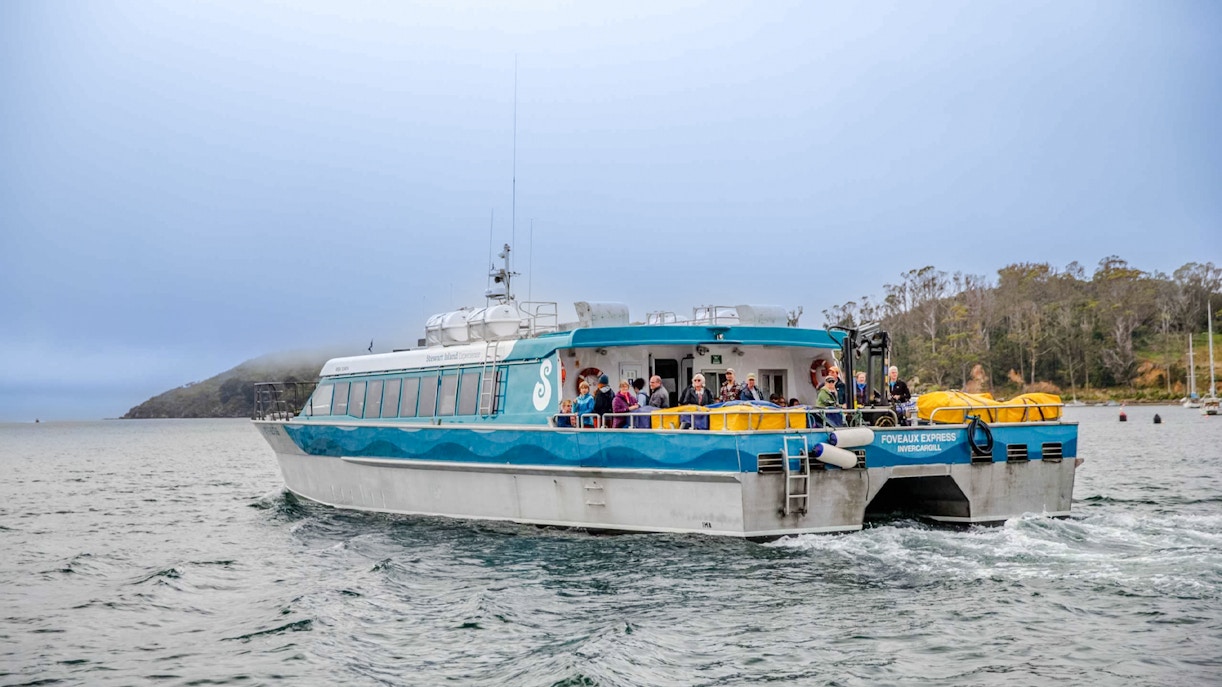
The easiest way to visit Stewart Island is without managing transport logistics.
- Time: 8–10 hrs round trip
- Cost: $$–$$$
- Pros: Transfers + activities included
- Cons: Fixed schedule
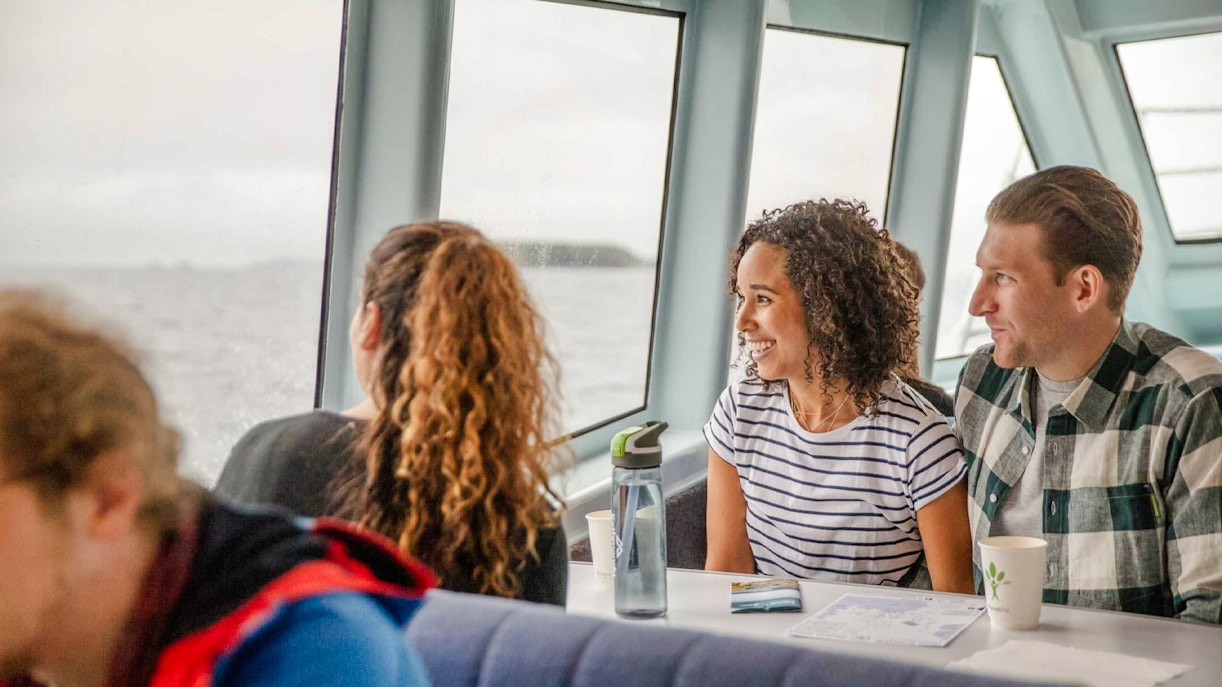
Independent option via Bluff. Best paired with an overnight stay.
- Time: ~1 hr crossing
- Cost: $$
- Best for: Flexible travellers
- Cons: Weather-dependent
Drive to Bluff, then ferry across.
- Time: ~2.5–3 hrs total
- Cost: Rental + ferry
- Best for: Groups
- Cons: No cars on the island
Stewart Island accommodation
Most Stewart Island accommodation is located in Oban, within easy walking distance of the ferry terminal, tours, cafés, and short walking tracks. Staying nearby simplifies early ferry departures and evening activities.
How to get around on Stewart Island
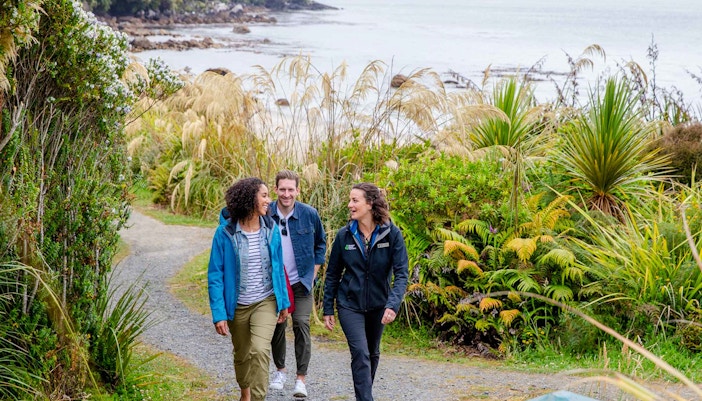
Walking
Oban and nearby bays are compact and walkable.
- Time: 10-30 min walks
- Cost: Free
- Best for: Village exploration
- Cons: Limited reach beyond town
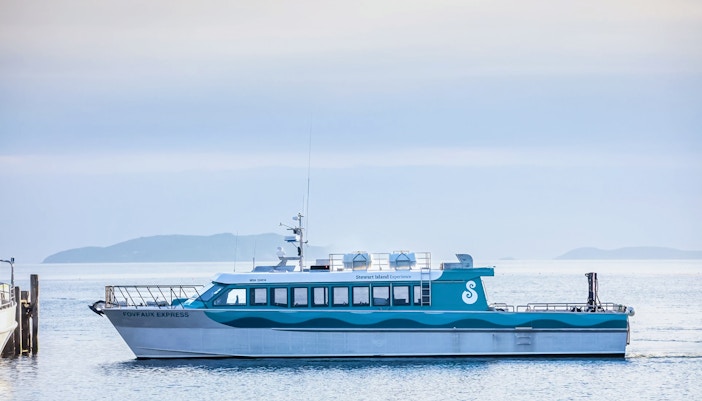
Boat transfers & tours
The primary way to access Ulva Island and remote bays.
- Time: 10-40 min per ride
- Cost: $$
- Pros: Essential for key sights
- Cons: Weather-dependent

Guided transport
Tours provide door-to-door movement between highlights.
- Time: Efficient routing
- Cost: Included in tours
- Best for: Day visitors
- Cons: Less flexibility
More things to do on Stewart Island (if you have time)
1/7
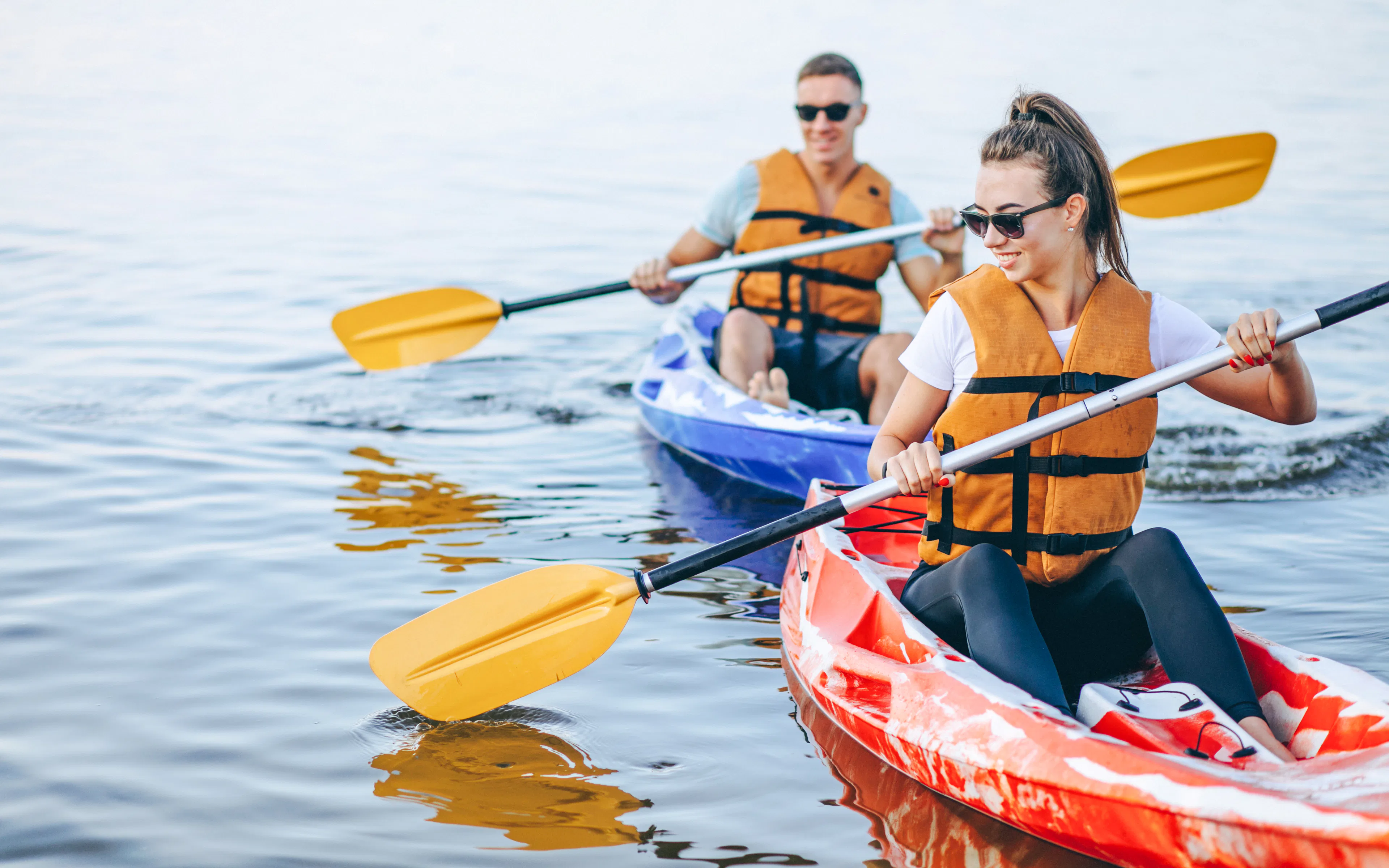
Kayaking Paterson Inlet
Paddle calm waters past sheltered bays and birdlife on guided kayak tours, offering close-up views of marine habitats and shoreline scenery.
Pelagic bird-watching cruises
Small-boat tours spot albatross, petrels, mollymawks, and penguins around offshore islands, ideal for keen birders and photographers.
History & heritage sites
Visit Acker’s Cottage and former whaling areas by boat or guided walk to learn about early settlement and maritime history.
Guided coastal hikes
Half-day walks such as Port William to Māori Beach combine water-taxi access with forest tracks and tidal crossings.
Scenic inlet wildlife cruises
Short cruises through Paterson Inlet offer chances to see dolphins, penguins, sea lions, and seabirds with local commentary.
Dark-sky & night experiences
Low light pollution makes stargazing exceptional, often paired with evening kiwi walks.
Ulva Island sanctuary
Cruise or water taxi to this predator-free island for guided bird-focused walks on easy forest trails.
Where to eat on Stewart Island
Good food is part of the Stewart Island experience. Here are a few reliable spots for hearty meals and relaxed dining.
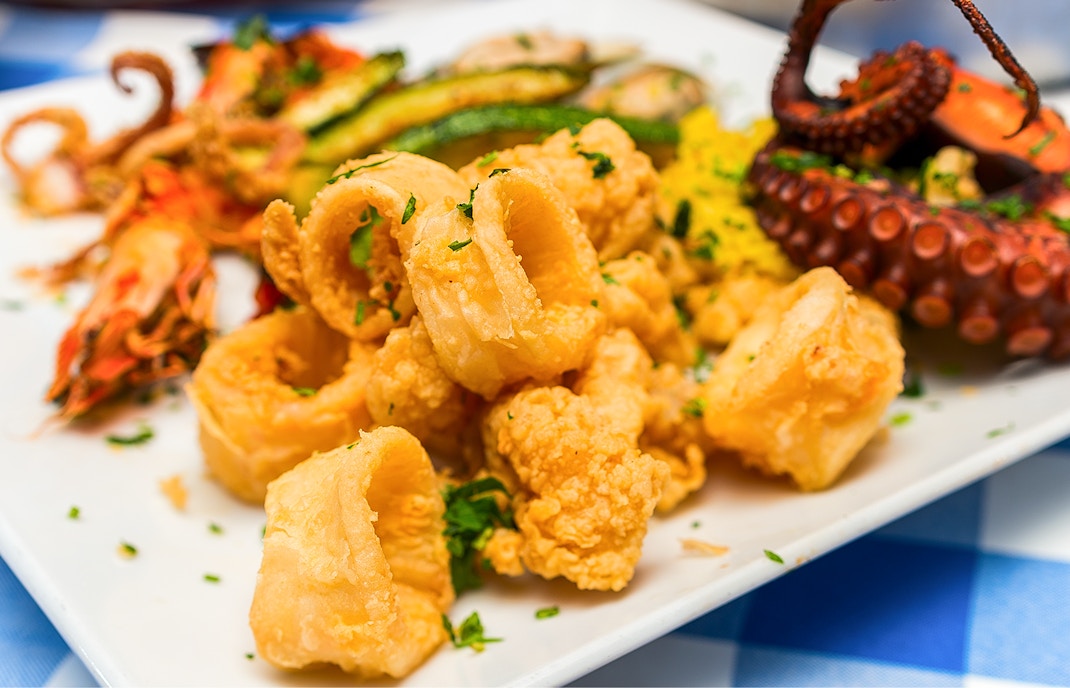
Kai Kart
Casual takeaway known for local seafood.
- Where it is: Oban waterfront.
- Cuisine: Fish & chips.
- Price: $ (budget)
- Must-try: Blue cod.

South Sea Hotel Restaurant
Classic pub-style meals with harbour views.
- Where it is: Near the ferry terminal.
- Cuisine: New Zealand / pub fare.
- Price: $$
- Must-try: Seafood chowder.
Where to shop on Stewart Island

Local art & craft shops
Small galleries selling island-made art and souvenirs.

Oban general store
Convenient stop for essentials, snacks, and local goods.
Tips from locals
- Stay overnight if possible: Evening hours offer the best chances to see wild kiwi and experience the island after day-trippers leave.
- Plan around the weather: Sea conditions can affect ferry schedules, so allow buffer time and avoid tight connections.
- Follow biosecurity rules: Clean footwear and gear before Ulva Island visits to help protect its predator-free environment.
- Don’t overpack your itinerary: Fewer, well-timed activities lead to calmer conditions and better wildlife sightings.
- Book wildlife tours early: Small-group tours, especially kiwi encounters, sell out quickly in summer and peak seasons.
Frequently asked questions about planning Stewart Island tours
The best time to visit is from October to April, when daylight hours are longer, and tours run more frequently. Summer offers milder temperatures, while shoulder seasons bring fewer crowds and good wildlife activity.
Yes, day trips are possible and work best for village tours, Ulva Island walks, or inlet cruises. For evening kiwi encounters or weather flexibility, an overnight stay is recommended.
Guided tours are not mandatory, but they add significant value. Guides manage transport, adapt plans to weather, and improve wildlife sighting chances—especially on Ulva Island and night tours.
Yes. Many tours are easy-paced and suitable for families and seniors, particularly village tours, cruises, and Ulva Island walks. More rugged hikes may not be suitable for all mobility levels.
Booking in advance is advised during summer, school holidays, and cruise ship days. Winter travel is quieter but still benefits from early booking due to limited tour schedules.
Tours may be rescheduled or refunded if weather conditions are unsafe. Most operators prioritise safety and offer flexible rebooking when possible.
Yes. Tours are planned around common arrival and departure times. If transport schedules change, operators usually adjust tour timings where possible.
Pack waterproof layers, sturdy walking shoes, warm clothing, and a small daypack. For boat tours, seasickness medication is recommended.
Accessibility varies. Some village areas are accessible, but many tours involve boats, uneven tracks, or steps. It’s best to check accessibility details before booking.
Most tours operate year-round, weather permitting. Winter has fewer departures and shorter days, but also quieter conditions and fewer visitors.