- Island access: Year-round, subject to ferry and flight schedules.
- Tours & activities: Water taxis, guided tours, and hiking tracks operate daily, weather permitting.
- Note: Winter may see reduced services due to sea conditions and shorter daylight.
What is Stewart Island (Rakiura)?
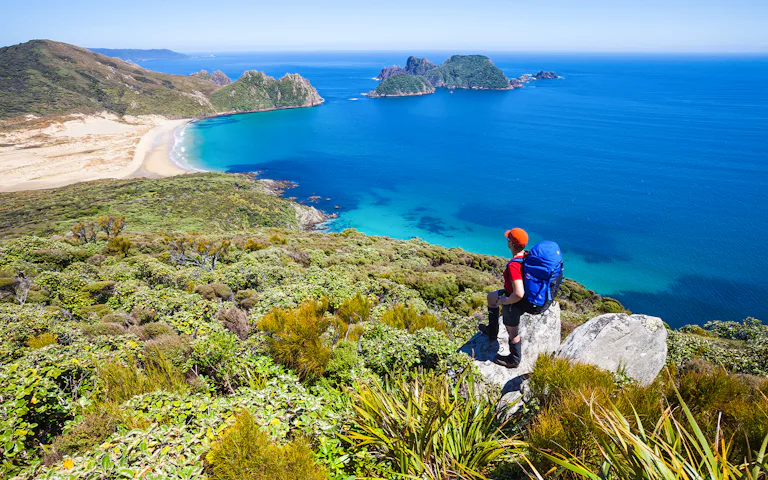
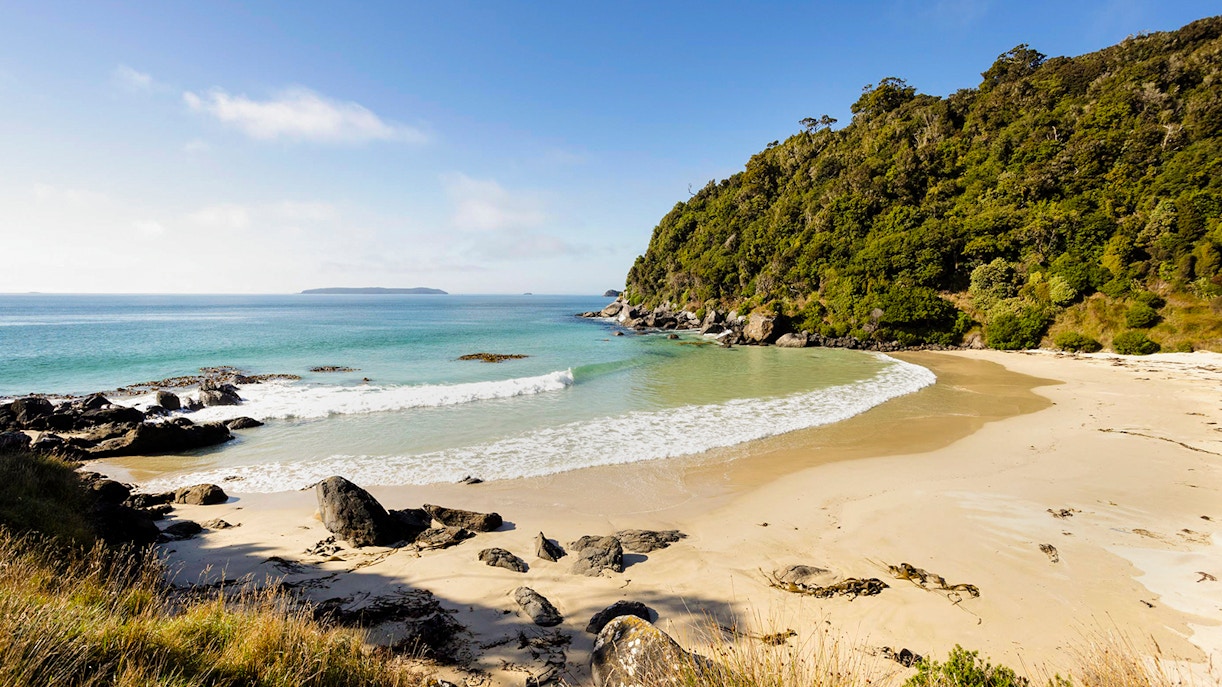
Stewart Island, or Rakiura, is New Zealand’s third-largest island and one of its most unspoilt regions. South of the South Island, it features dense native forest, sheltered coves, coastal tracks, and rich birdlife. With over 85% of the land protected as a national park, nature defines daily life here.
Plan your visit to Stewart Island
Opening hours
Best time to visit
- Oct-Apr (Spring-Autumn): Mild weather, longer daylight, peak wildlife activity.
- Dec-Feb (Summer): Warmest months, busiest season — arrive early or mid-week for quieter experiences.
- May-Sep (Winter): Cooler, quieter, ideal for experienced hikers seeking solitude.
- Best days: Tuesday–Thursday to avoid crowds.
- Best times: Early morning for calm seas and wildlife spotting; late afternoon for scenic light.
Location
- The island lies ~30 km south of Bluff, Southland, New Zealand.
- Access via ferry from Bluff or small flights from Invercargill.
- Main hub: Oban village, where most tours and accommodations are based.
What to do at Stewart Island?
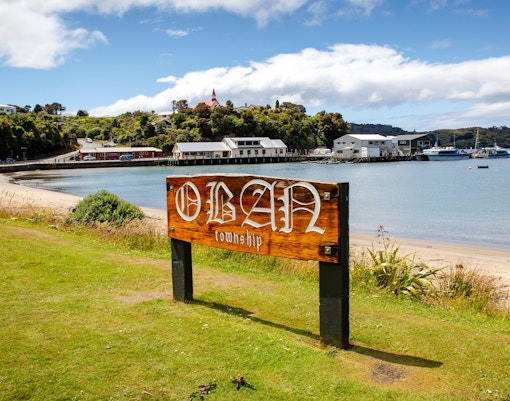
Guided village & bays tours
Explore Oban, Halfmoon Bay, and nearby viewpoints with a local guide. Easy-paced with short walks, this tour introduces island life, history, and landscapes, well-suited to first-time visitors.
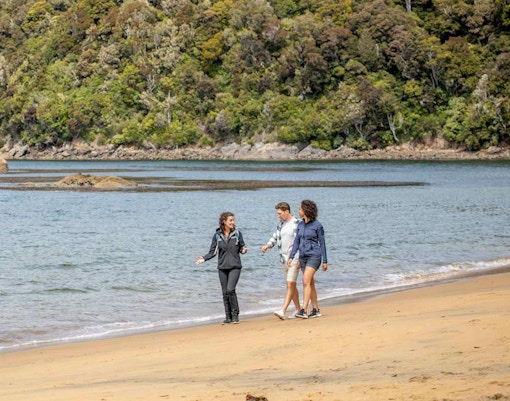
Ulva Island wildlife walks
Explore predator-free Ulva Island on guided forest walks, spotting native birds like kākā and tūī. Flat trails and small groups suit relaxed wildlife viewing.
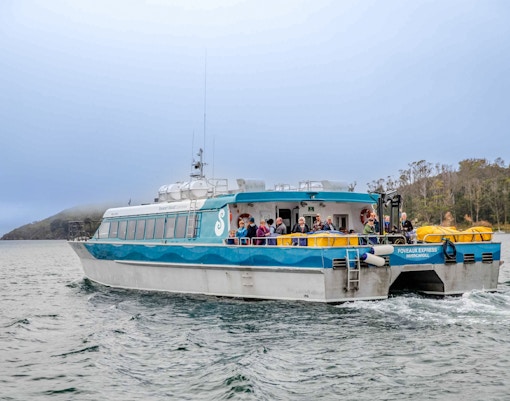
Paterson Inlet & coastal cruises
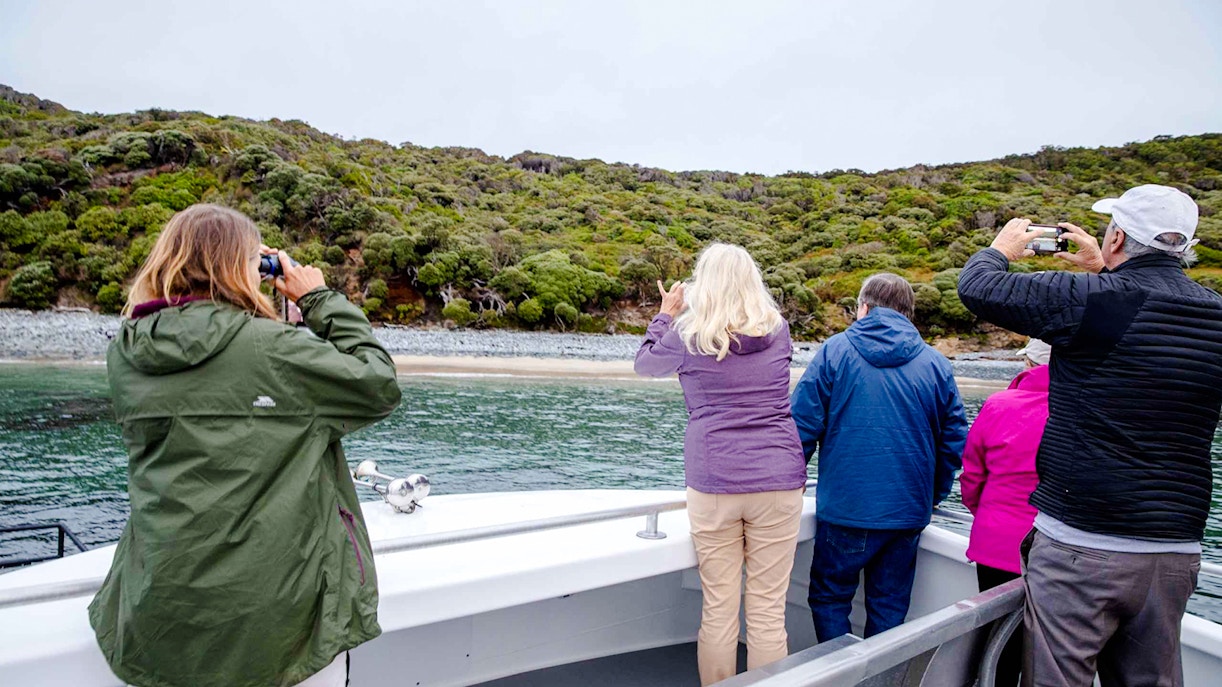
Cruise the calm waters of Paterson Inlet, passing remote bays, islands, and seabird habitats, with commentary adding local context.
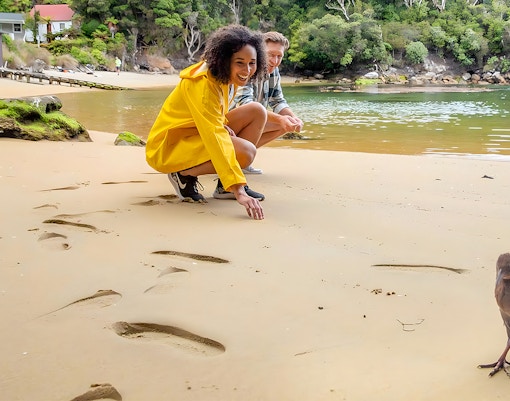
Kiwi spotting and nature experiences
Join guided evening or night walks for the best chance to see wild kiwi, moving quietly with expert guides for an unforgettable encounter.
What to see at Stewart Island?
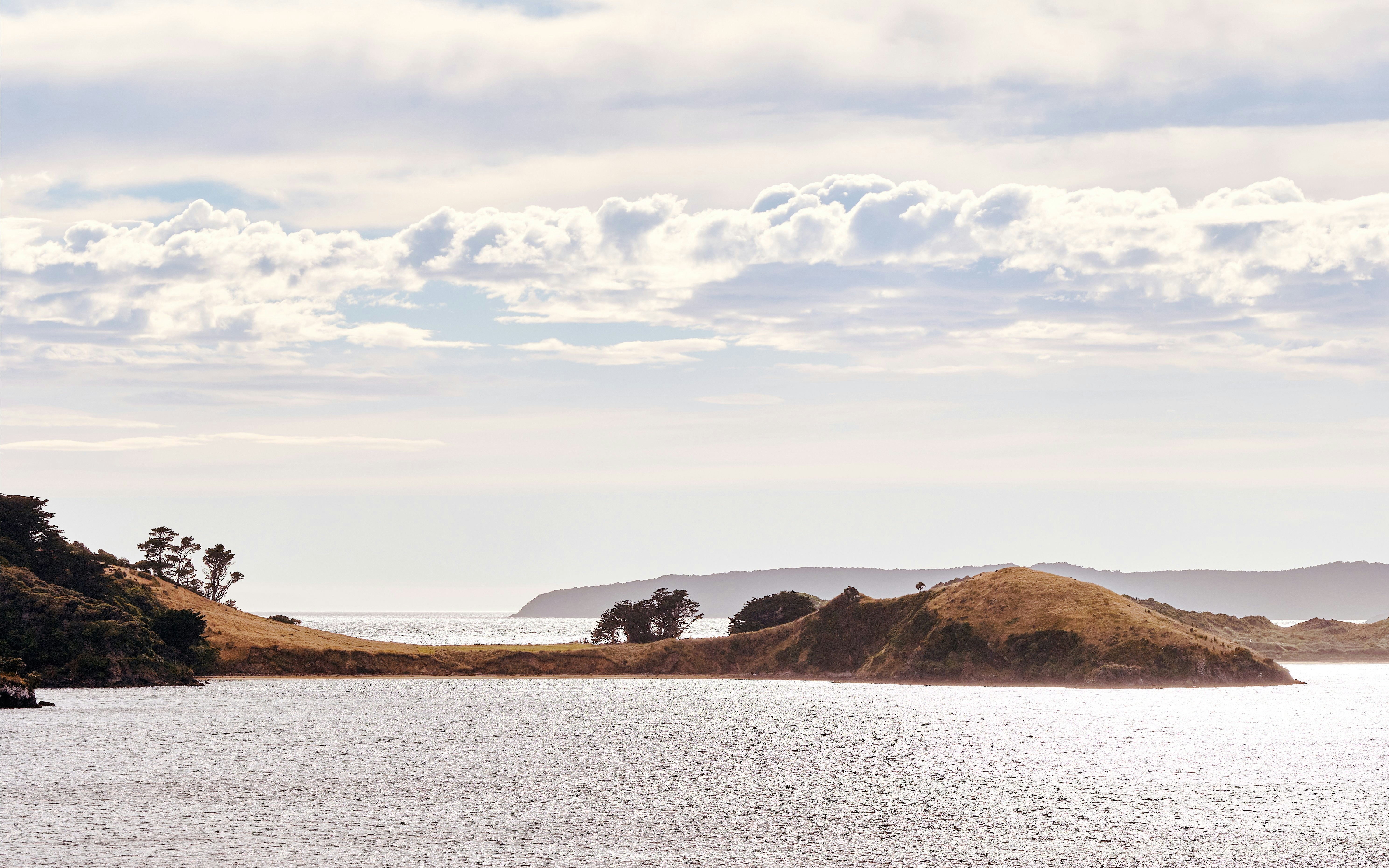
Rakiura National Park (island interior)
Ancient forest, moss-covered trails, and deep silence. Best explored in daylight after rain for richer colours.
History of Stewart Island in a nutshell
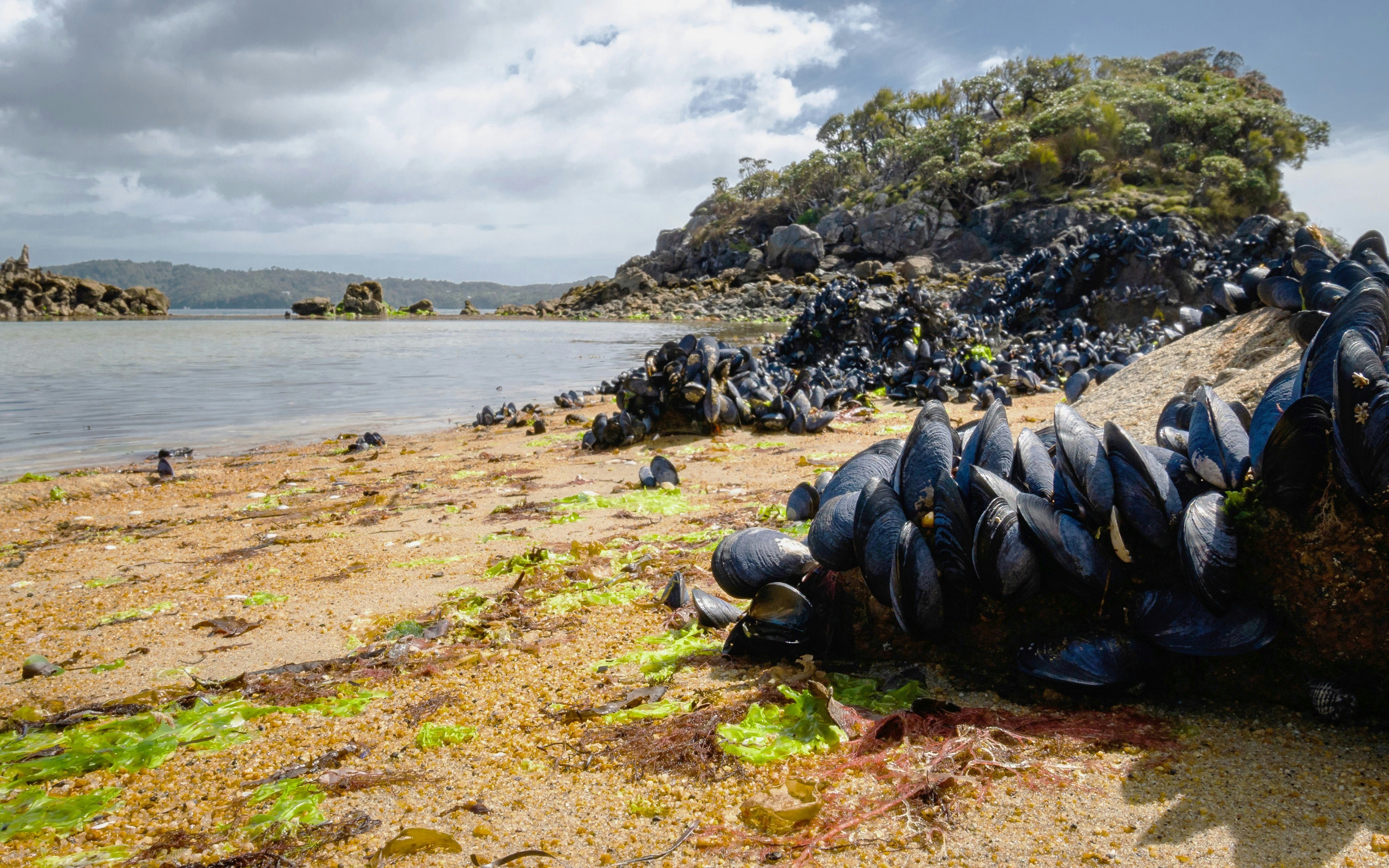
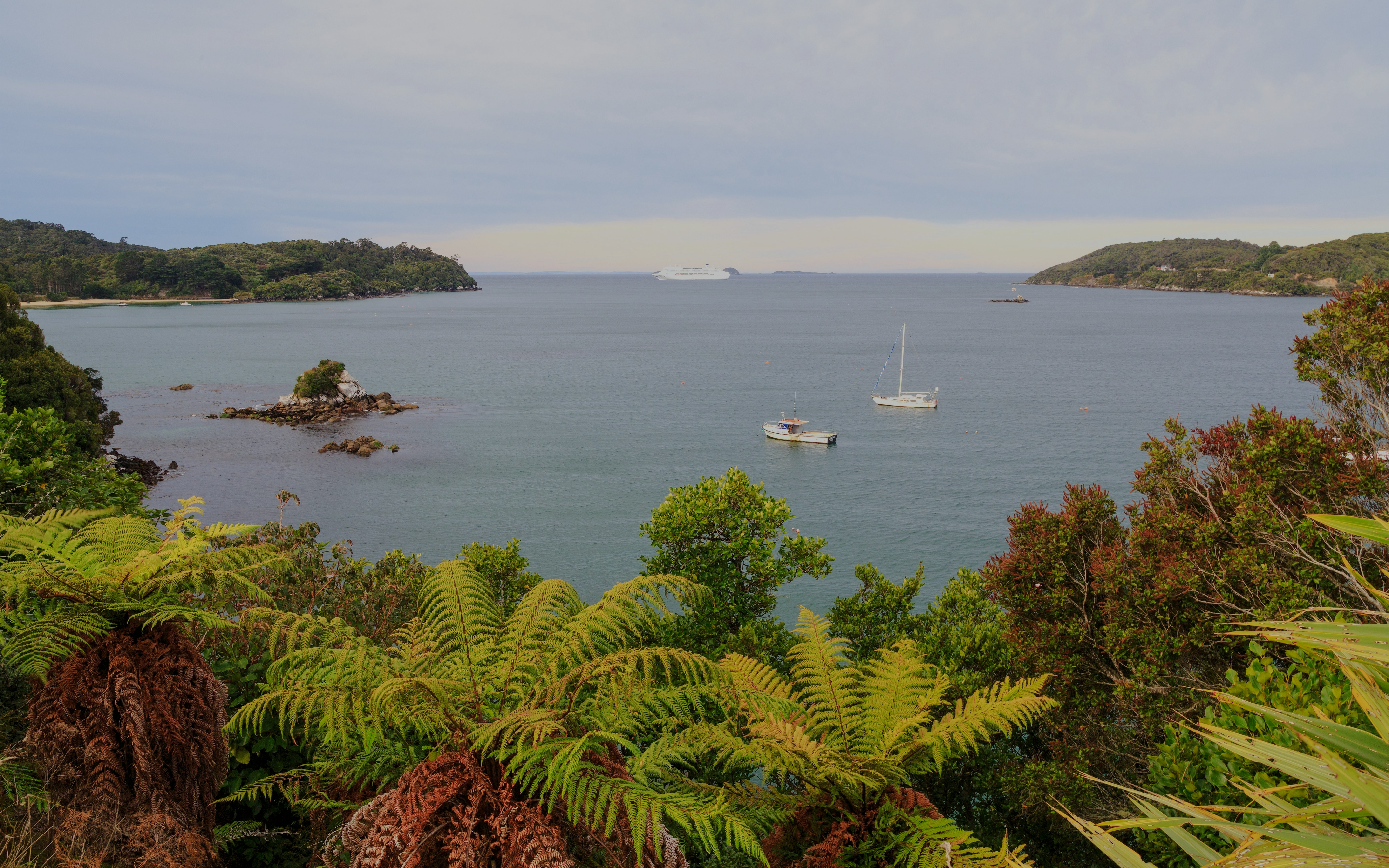
Known to Māori as Rakiura, meaning “Land of the Glowing Skies,” Stewart Island was traditionally used for seasonal fishing and bird harvesting. European sealing and whaling followed in the early 1800s, with small settlements forming around Oban. Limited development helped preserve the landscape, and in 2002, most of the island became Rakiura National Park.
Wildlife and conservation on Stewart Island
Stewart Island is a key conservation stronghold, home to kiwi, kākā, tūī, and rare seabirds. Predator-free areas like Ulva Island support species recovery. Visitors should follow biosecurity rules, stay on marked tracks, and keep a distance from wildlife.
Tips for visiting Stewart Island
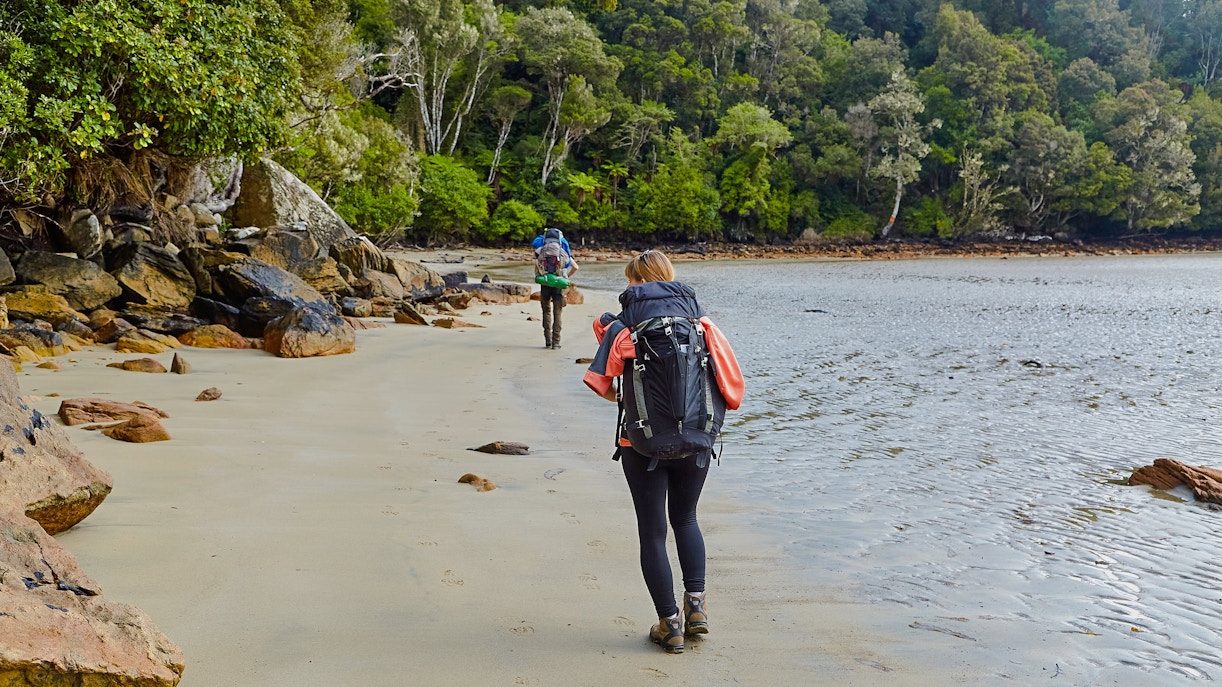
- Pack a waterproof jacket and warm layers. Weather can shift quickly, even in summer, and wind chill is common on boat trips and coastal walks.
- Book ferries and guided tours in advance between November and March, when sailings and wildlife experiences sell out fastest.
- Carry some cash. There are limited ATMs and card facilities may not always be available for small purchases.
- Wear sturdy, waterproof walking shoes. Many tracks are uneven or muddy, especially after rain.
- Plan outdoor activities around daylight hours, particularly in winter when days are short.
- Choose guided wildlife or kiwi tours for higher sighting chances and minimal disturbance to animals.
- Follow biosecurity rules. Clean footwear before visiting Ulva Island to protect predator-free habitats.
Frequently asked questions about Stewart Island
Stewart Island is known for its untouched wilderness, kiwi sightings, coastal walking tracks, and quiet, low-impact travel experiences within Rakiura National Park.
Late spring to early autumn offers the best balance of weather, wildlife activity, and transport availability.
Warm layers, rain protection, sturdy footwear, insect repellent, and a torch for night walks are essential.
Oban and some waterfront areas are accessible, but most tracks and nature sites are uneven and not wheelchair-friendly.
Wildlife tours, Ulva Island walks, coastal cruises, and sections of the Rakiura Track are top experiences.
Most areas are reached on foot, by water taxi, or via guided transport. There is minimal road infrastructure.
A full day covers Ulva Island or a wildlife cruise, but an overnight stay allows for kiwi encounters and a more relaxed pace.
Yes. Ferry seats, wildlife tours, and Ulva Island walks can sell out in peak season, so booking is strongly recommended.
Kiwis are nocturnal. Daytime sightings are rare, while guided evening or night tours offer the best chance to see them.
Yes, for nature-loving families. Short walks and boat cruises are suitable, but longer tracks and night tours may not suit very young children.
Facilities are limited to Oban, with a small selection of cafés, restaurants, and general stores. Options are fewer outside peak season.
Coverage is limited and patchy outside Oban: download maps, tickets, and tour details in advance.